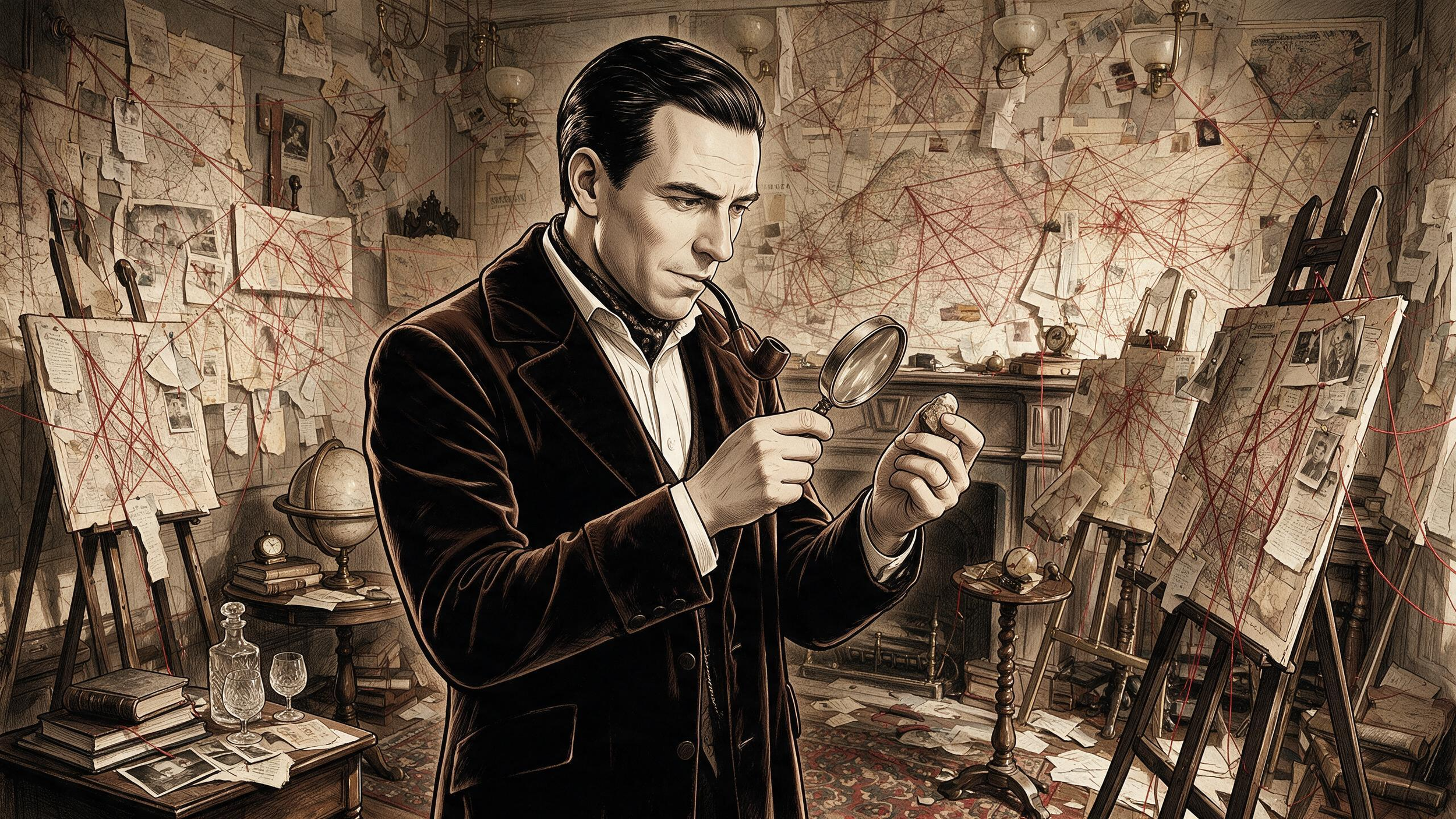


Sherlock’s Apprentice
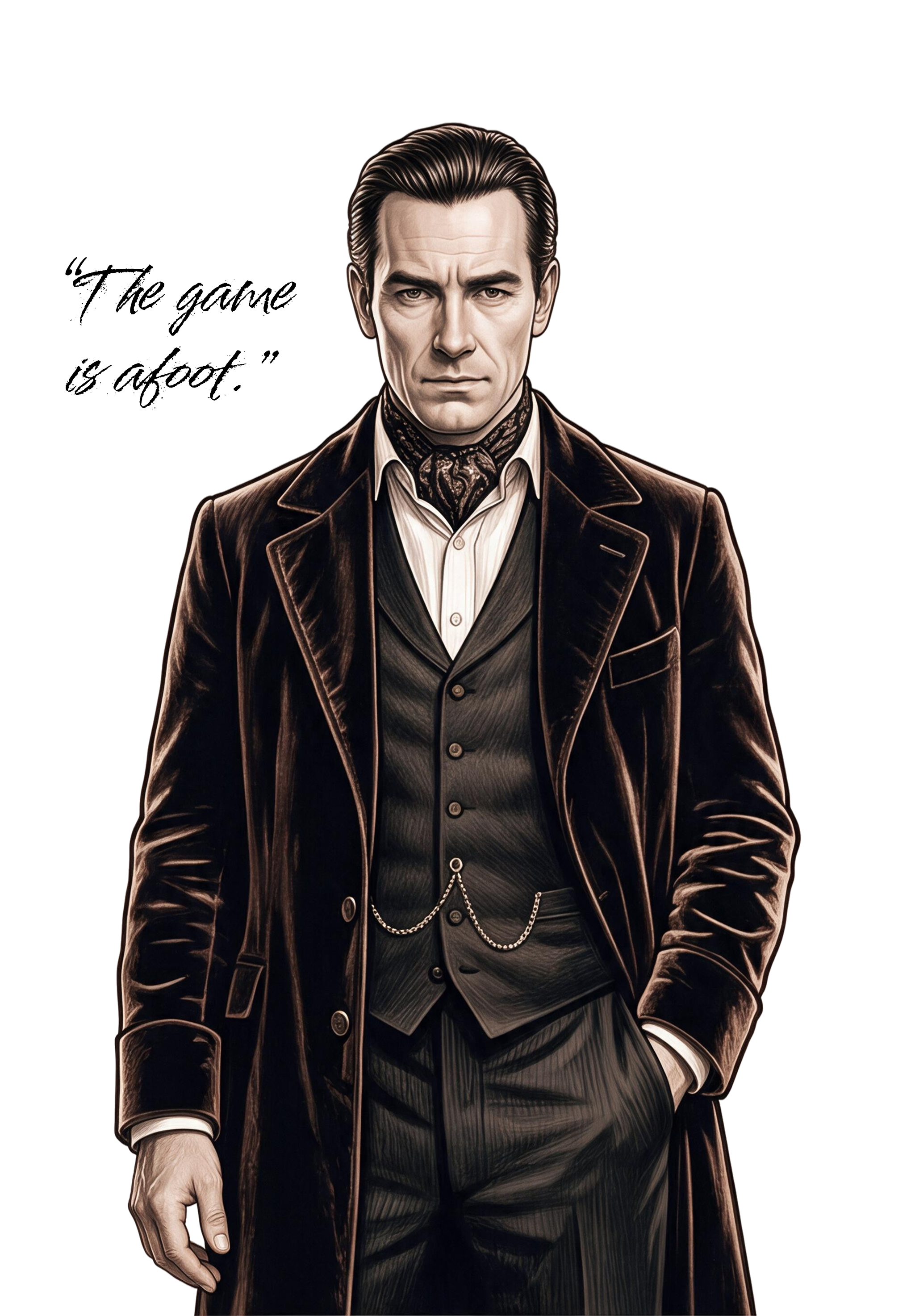
“You see, but you do not observe.”
Sherlock's Apprentice isn't an escape room. It's an examination and Holmes is watching.
He has already solved the case. That was never in doubt. The only question in the room is whether you can.
You arrive at Baker Street as Apprentice Detectives. Holmes gives you the case, the clock, and nothing else. He will not answer your questions; he will answer with better ones. Watson will keep your Casebook. Lestrade will offer you a theory that is confident, official, and wrong.
You don't collect keys, tokens or points. You collect Scarlet Threads, proven pieces of reasoning. Anyone can find a clue; explaining it, out loud, is what earns a Thread. As the time runs out, you follow the one strand that runs all the way to your prime suspect, and name them in front of the man who already knows the answer.
Six of you. One Sherlock Holmes. Can you out-think the master of deduction?
What Is It?
Sherlock's Apprentice is an 11-part series of live investigations built from Sir Arthur Conan Doyle's original stories, a Victorian apprenticeship in deductive reasoning, staged as a game.
It sits deliberately between three things and is none of them. It isn't an escape room: there is no door, and beating the clock isn't the winning condition. It isn't immersive theatre: you're not an audience. It isn't a workshop with a Sherlock theme bolted on. Every element in the room is lifted from the wonderful stories written by Sir Arthur Conan Doyle. And you get to step into the pages of Sherlock Holmes’ world in 1888.
Designed for:
Secondary schools (KS3–KS5 / IB MYP–DP)
Universities and language institutions
Corporate training, L&D and team building
Format: teams of six, one Captain, one Vice-Captain, four Field Agents, with a rotating Lead so every participant goes on the record. 120 minutes as standard, with a 90-minute sprint variant. Delivered in person, hybrid, or online.
“When you have eliminated all which is impossible, then whatever remains, however improbable, must be the truth.”
- Sherlock Holmes
How It Works
One rule: a clue is worth nothing until you can say why it matters.
Observe → Evidence → Thread. Every session runs the same engine, so a team that has played once already knows how to play any case in the series.
Five disciplines. Every case is assembled from the same five kinds of challenge. The story changes; the slots don't.
Disciplines and what it demands of you:
Mental → Logic, deduction chains, probability, memory, ciphers.
Mystery → Search, questioning, timelines; reconstructing a narrative from fragments.
Physical → Hands-on evidence: measuring, assembling, working a mechanism, searching a room properly.
Skill → Close observation and precision; matching, comparing, spotting the difference that matters.
The Absence → The hardest of the five. Noticing what should be there and isn't: the sound nobody heard, the theft that didn't happen.
Each is permanently wired to a language function too, which is what makes the outcomes mappable to a curriculum, deduction and speculation for Mental, narration and questioning for Mystery, precise description for Skill.
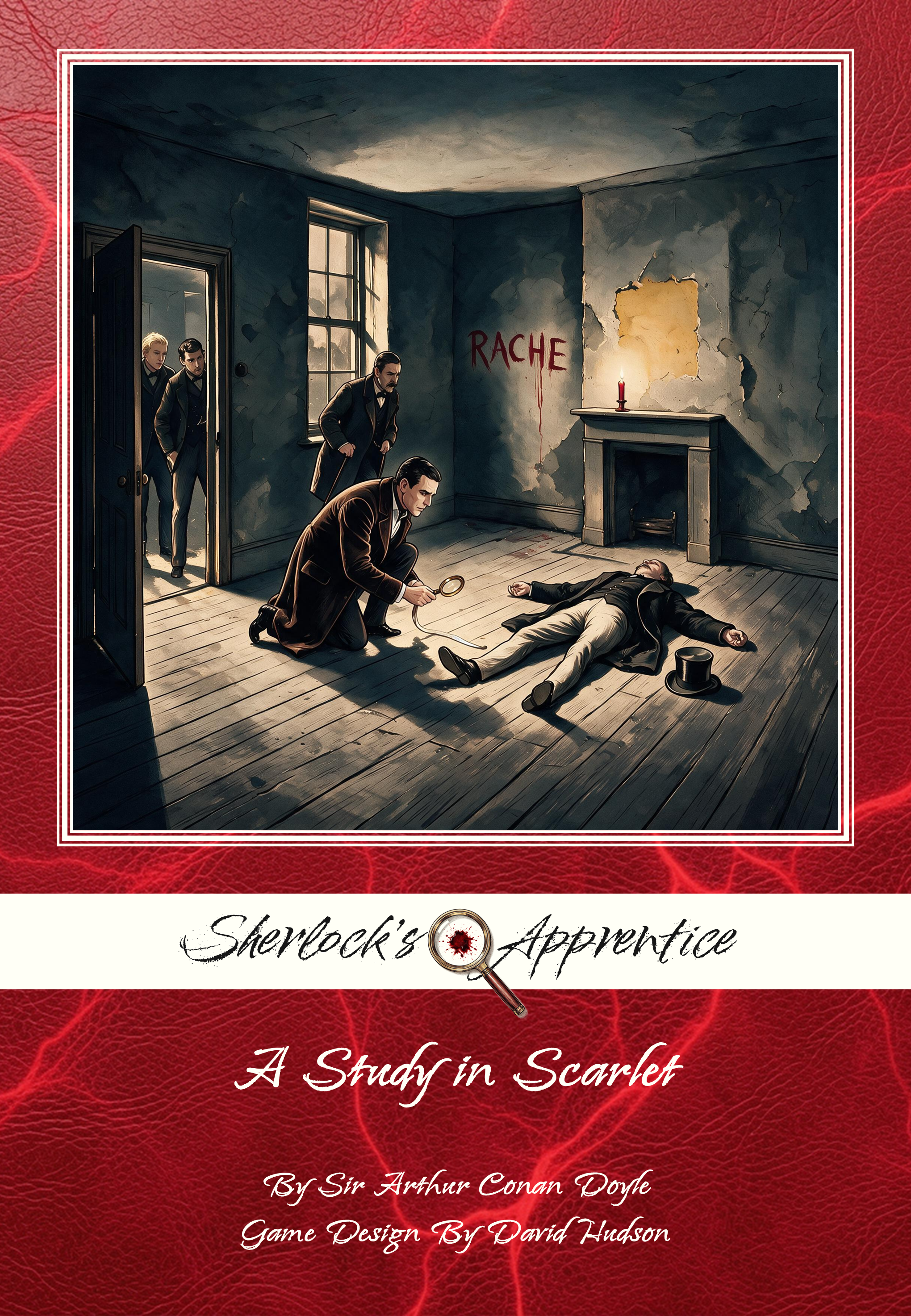
In practice: A Study in Scarlet.
Mental: a dilemma of two identical pills, one fatal. Mystery: a timeline reassembled from fragments. Physical: a man's height, deduced from the length of his stride. Skill: matching ash at the scene to the cigar that made it. The Absence: nothing was stolen, so the motive was never money.
The cast is fixed, and each character has a job.
Sherlock Holmes → The examiner. Asks, never answers. Awards Threads and sets the pace. Sparing with praise.
Dr. Watson → Your help system. Explains, records, separates fact from theory and never solves anything for you.
Inspector Lestrade → The official view. Confident, plausible, and a potential trap.
Mrs. Hudson → Runs the house, and brings the interruptions that move the clock.
The Baker Street Irregulars → One missing fact each. A limited lifeline.
False Leads. Every case plants at least one theory the evidence doesn't support. Commit to it and Holmes lets you keep it, as dead weight you must publicly throw out at the finale, or it sinks your accusation.
The Clock is never abstract. It's whatever the story itself makes urgent: a dying man, a race that will be run in two days, a trail going cold. Time doesn't just tick down; the world moves while you argue.
Getting stuck is expected. Help arrives in rungs; a question from Holmes, a summary from Watson, a fact from an Irregular, and only then a purchased hint. Failure is handled as "the trail goes cold," never "you lost." Real jeopardy is saved for the finale.
What It Actually Trains
Seven habits of mind, each traceable to a specific Doyle text, each translated into the buyer's own language:
Habit of the Mind
Observation Before Theory
Scarlet Thread
Eliminate The Impossible
Hypothesis Testing
The Explanation
Rotating Roles / Merging Evidence
Holmes’ Questions
In a School
Notice before you judge
Justify with evidence
Structured elimination
Test, don’t just assume
Build an argument
Collaboration
Metacognition
In a Business
Situational awareness
Connecting siloed information
Prioritisation and narrowing options
Evidence-based decisions
Defensible recommendations
Cross-functional teamwork
Coaching and after-action review
Because Threads are only awarded for reasoning articulated aloud, the end-of-session tally isn't a score, it's evidence. Schools receive it as a competency readout. Businesses receive it as an ROI readout.
Language
The engine forces thinking to happen out loud, under mild pressure, with a real reason to be precise. That makes it an unusually strong fit for ESL and EFL settings, but language here is an output of the reasoning, not a topic being taught.
Level and Support provided:
B1–B2 → Scaffolded grammar, guided puzzle-solving, simplified clue texts
B2–C1 → Advanced production, open-ended deduction, unmodified source language
What’s Included
We offer:
Case file, evidence-based props, maps and period documents
Puzzle materials, cipher sets, clue trails and visuals
Audio cues and collaborative team tasks
The Casebook and the Evidence Board
A full facilitator script, every character is a fixed set of behaviours, so the room runs the same whoever is holding it
Debrief pack, including the Scarlet Threads tally and skills mapping
The Programme
Pilot: dual use: A Study in Scarlet. The origin case, where Holmes names the science of deduction and the Scarlet Thread itself.
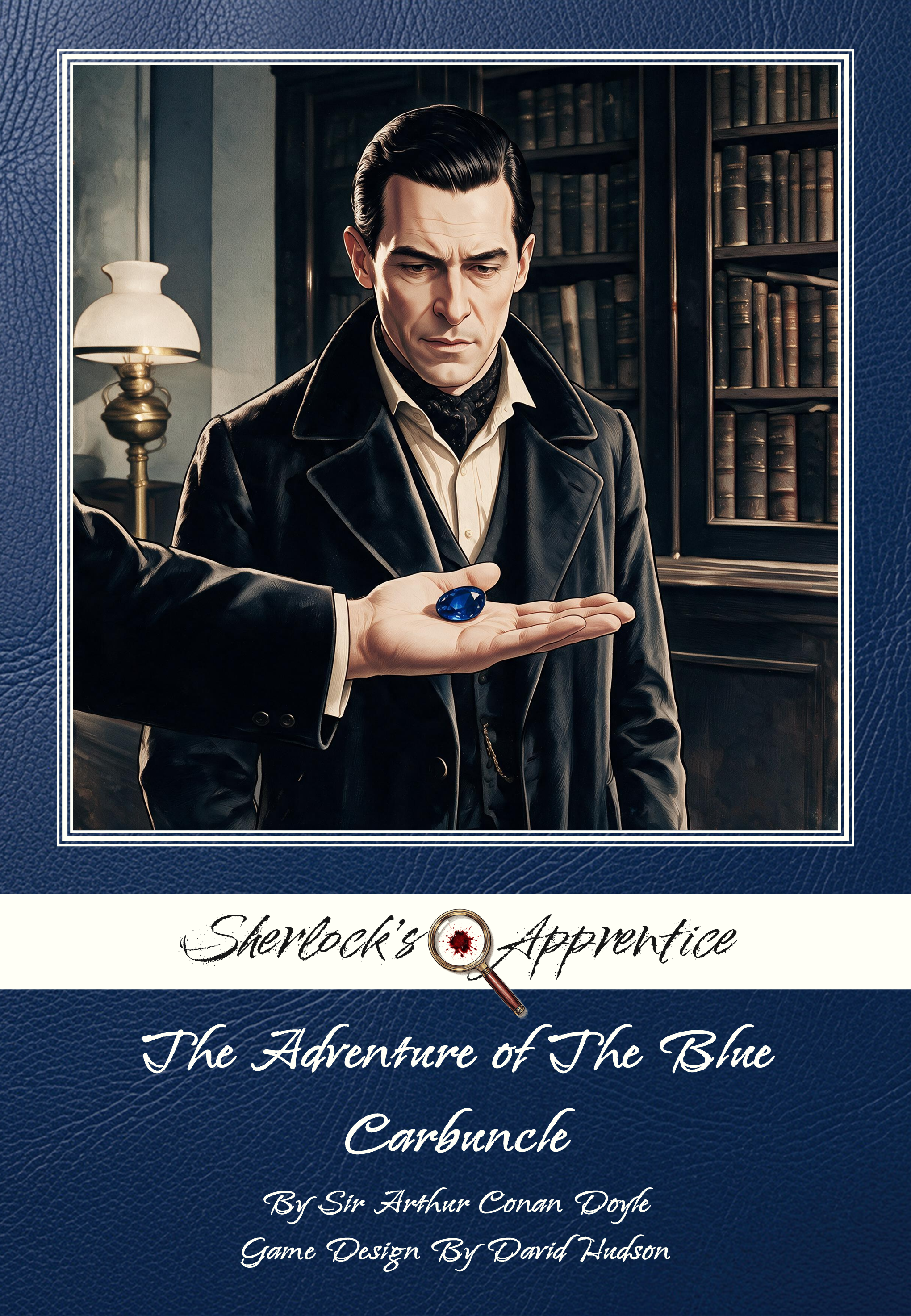
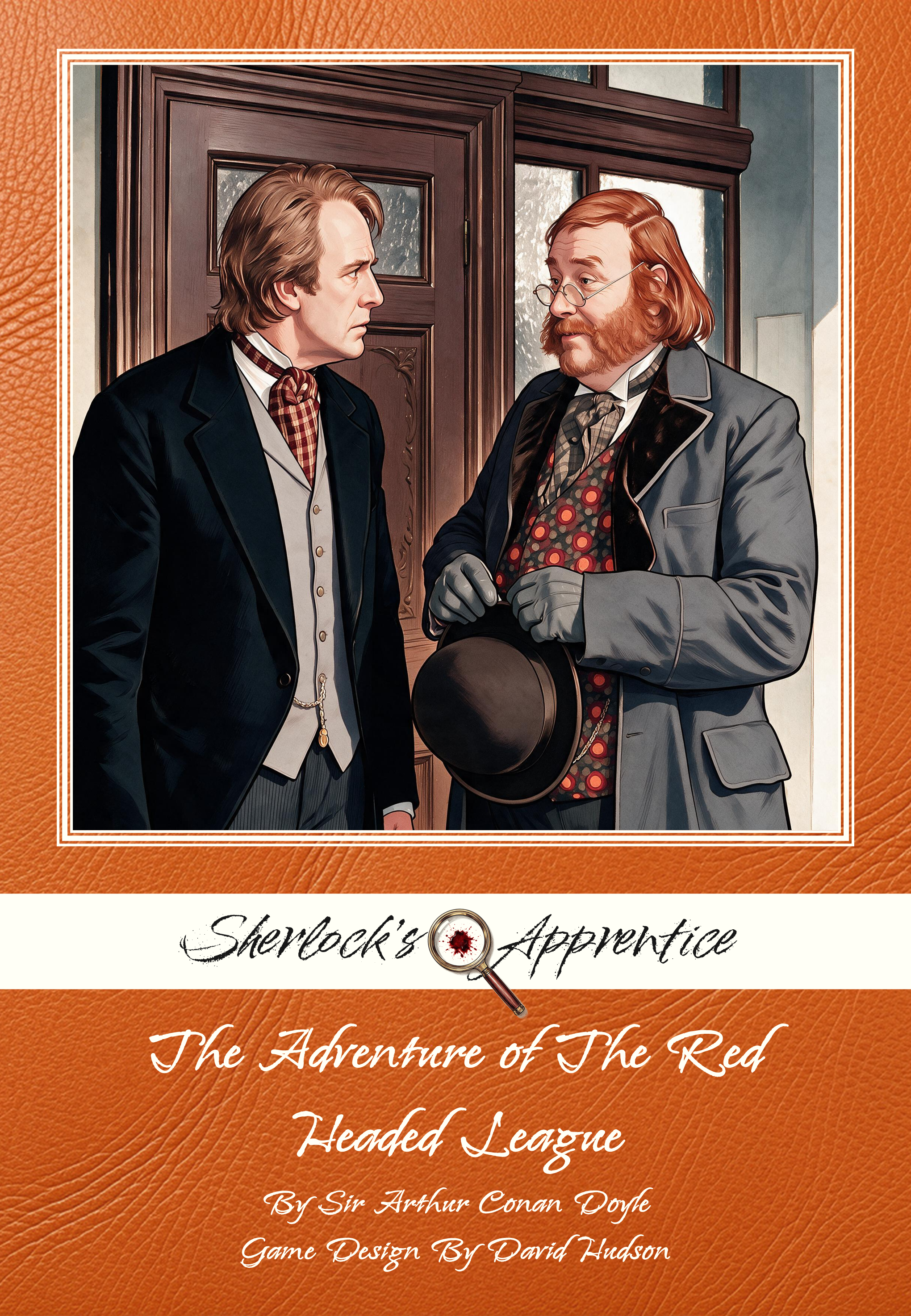
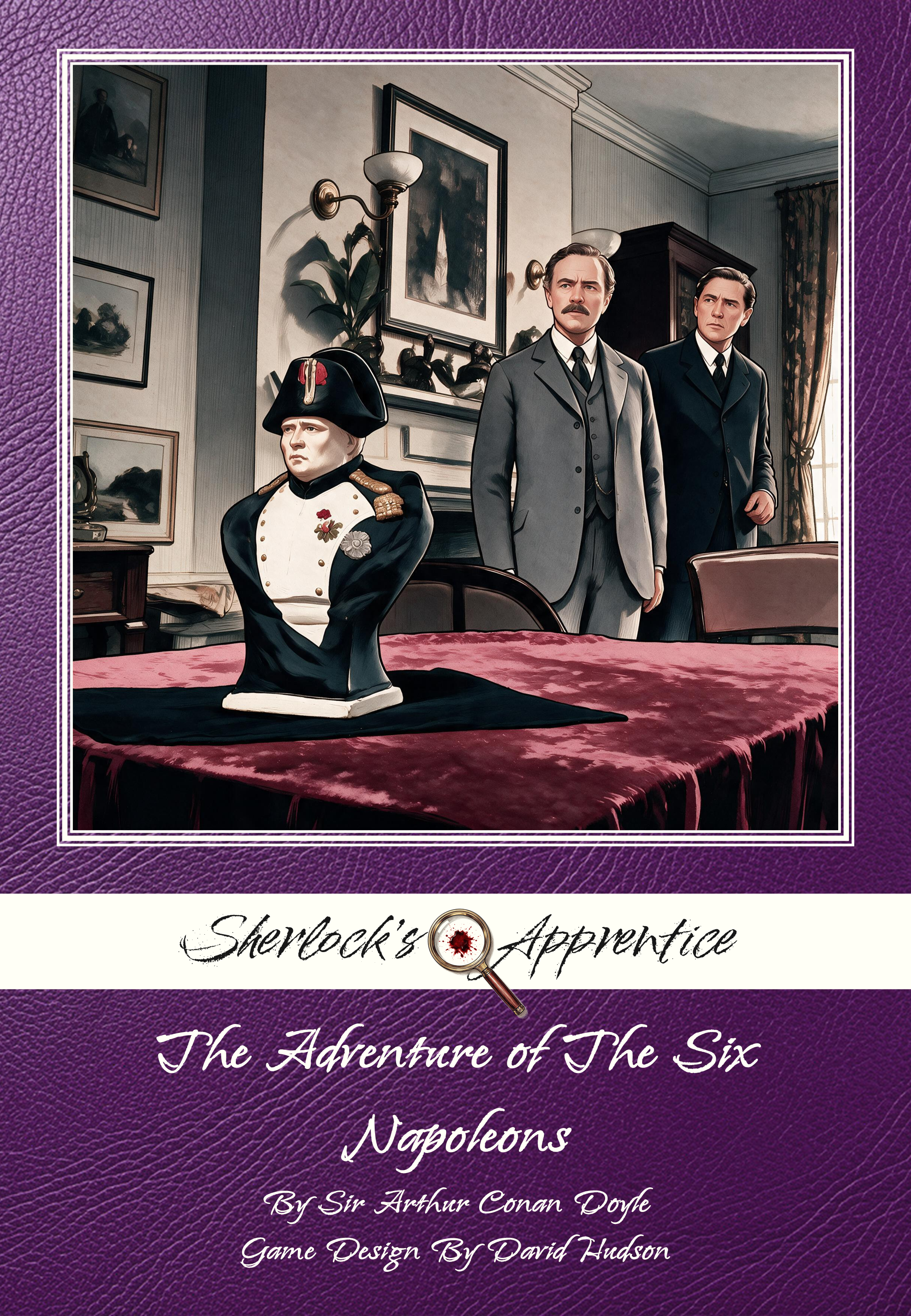
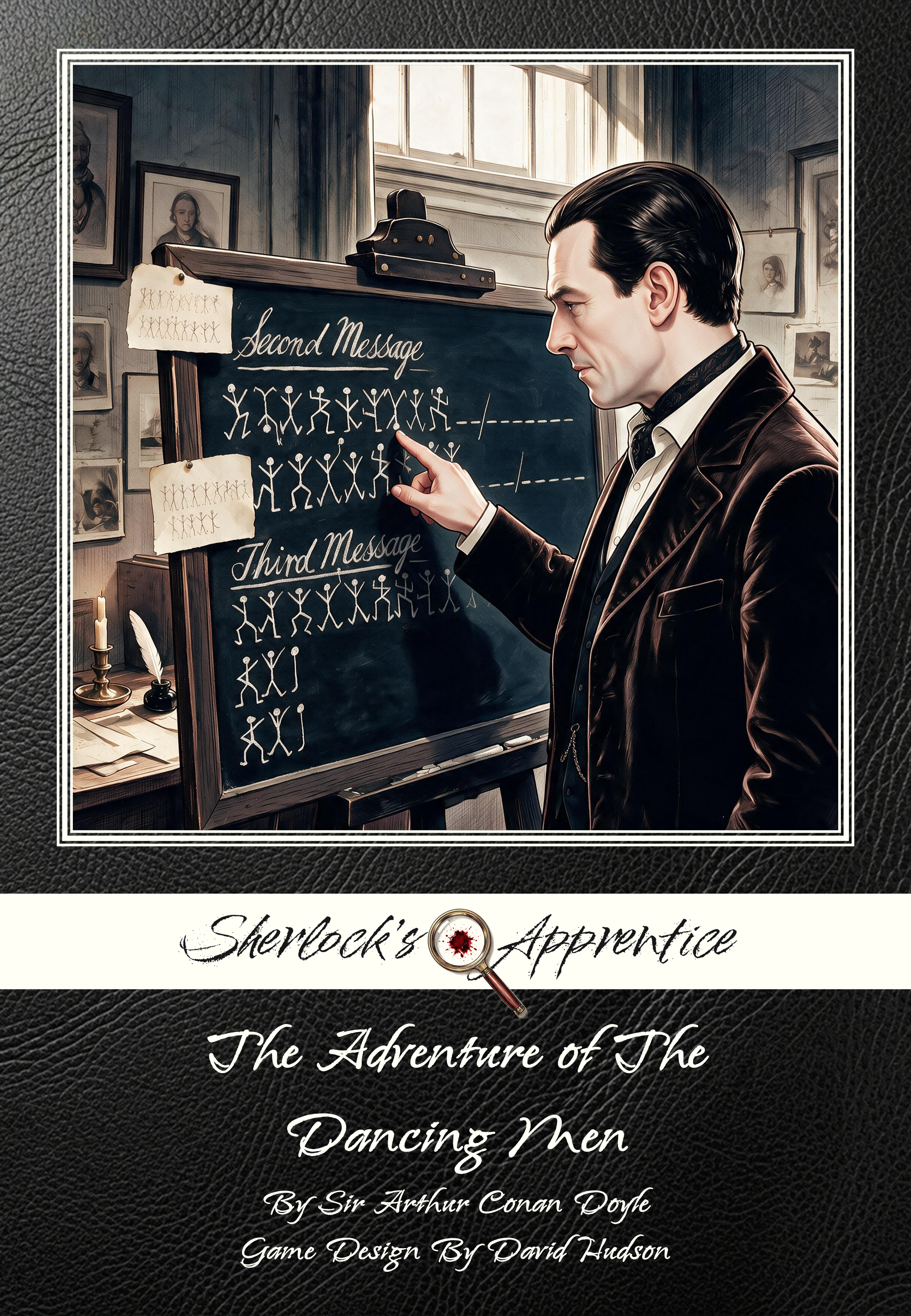
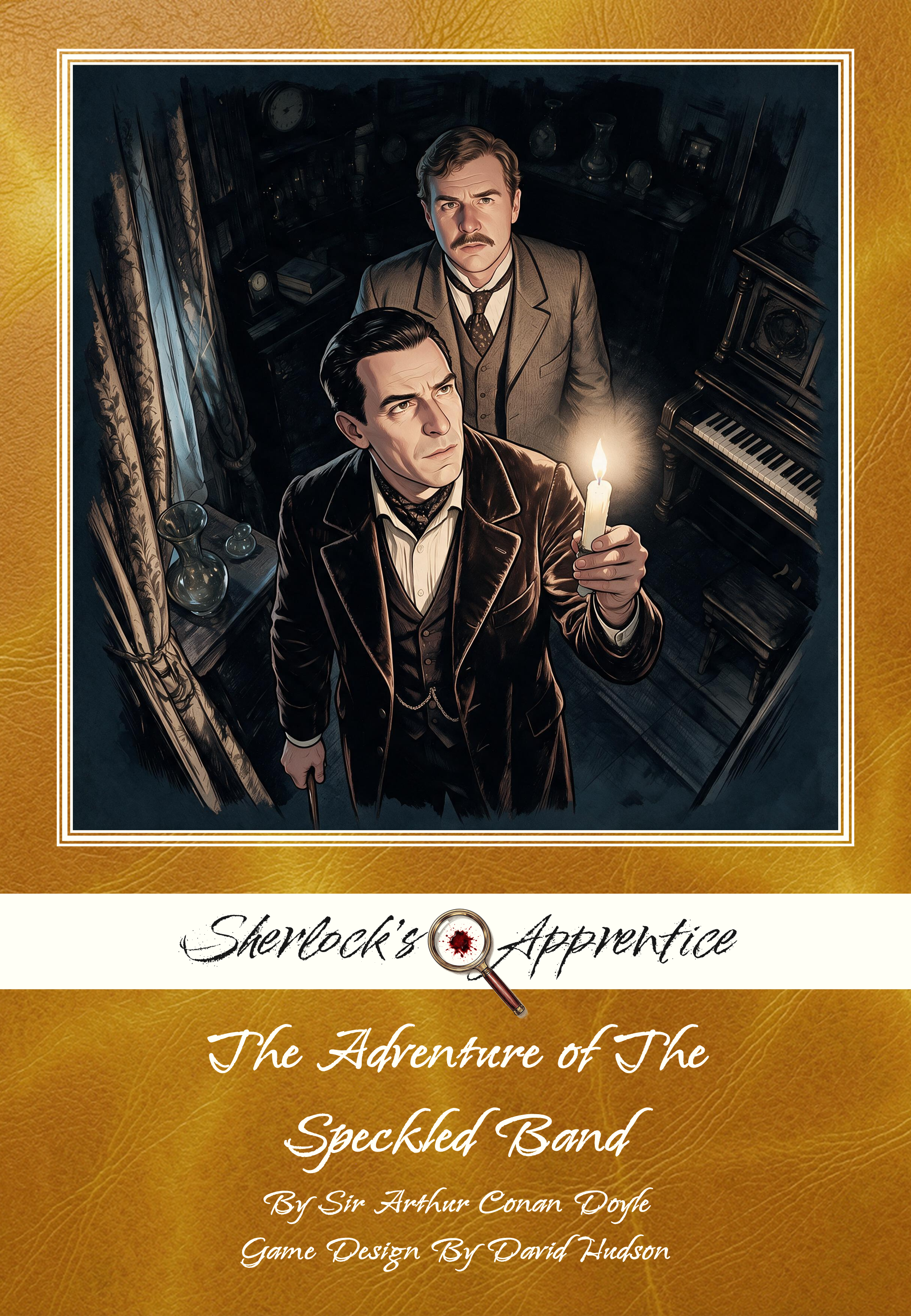
The Schools Five: The Blue Carbuncle · The Red-Headed League · The Six Napoleons · The Dancing Men · The Speckled Band
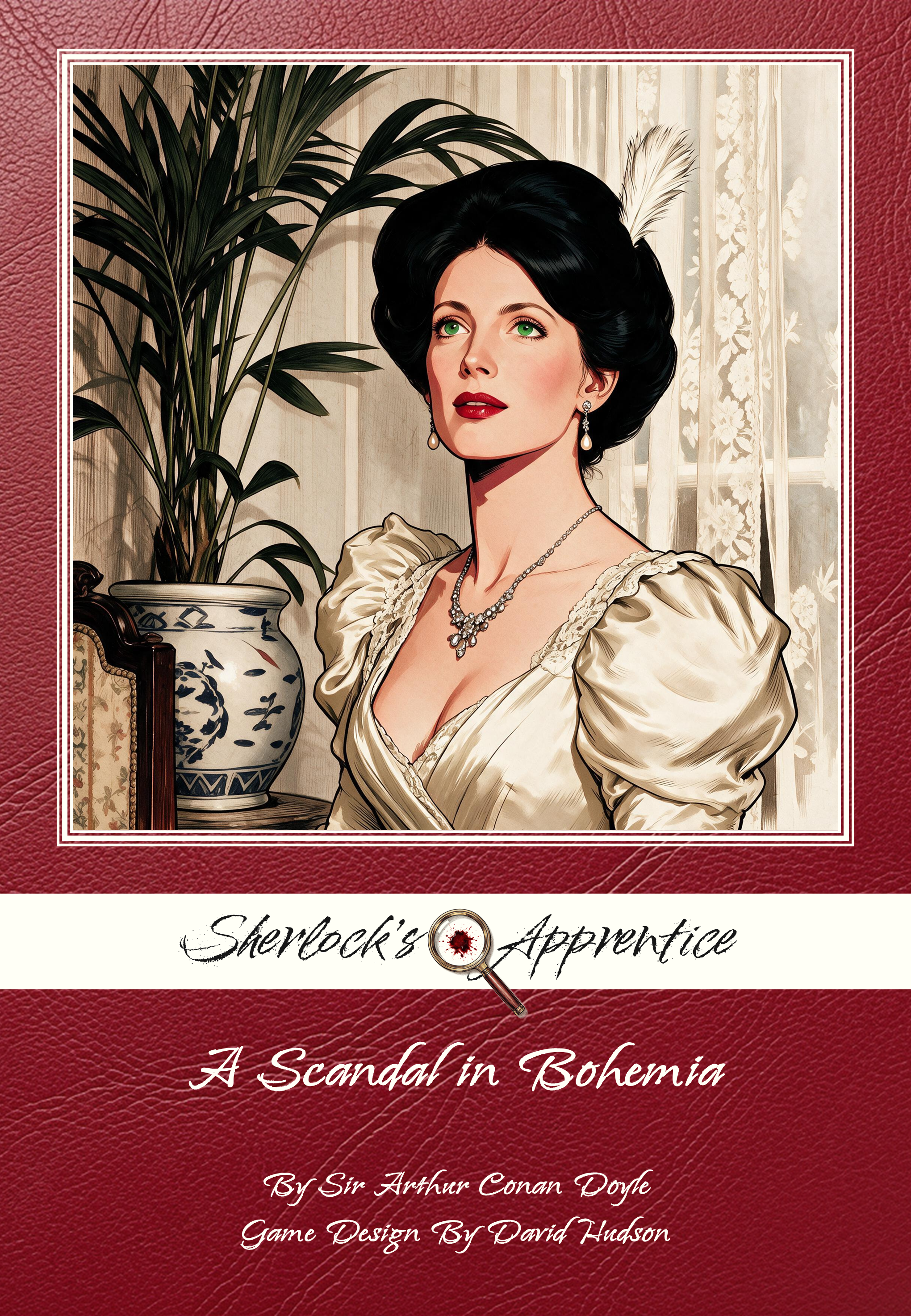
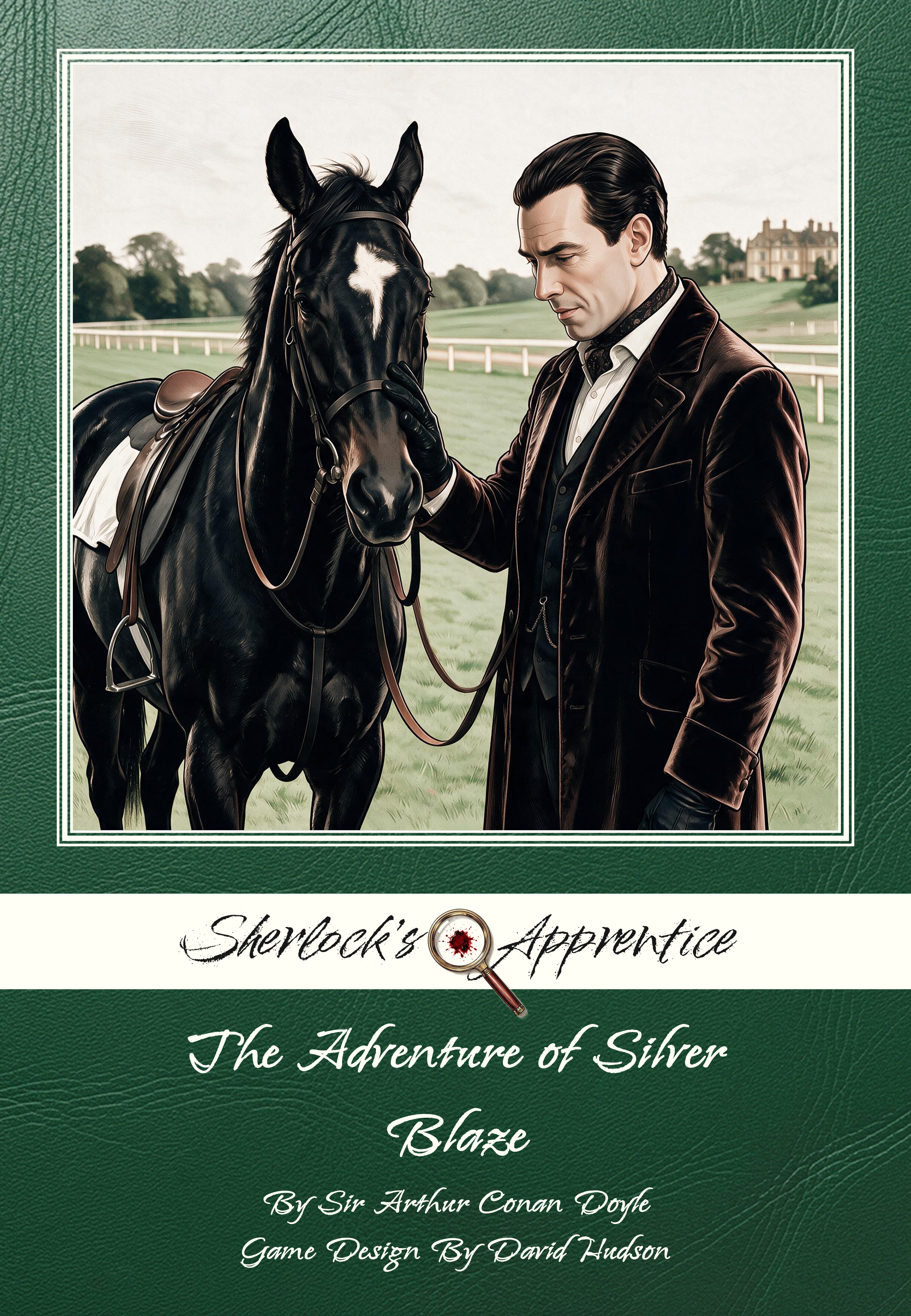
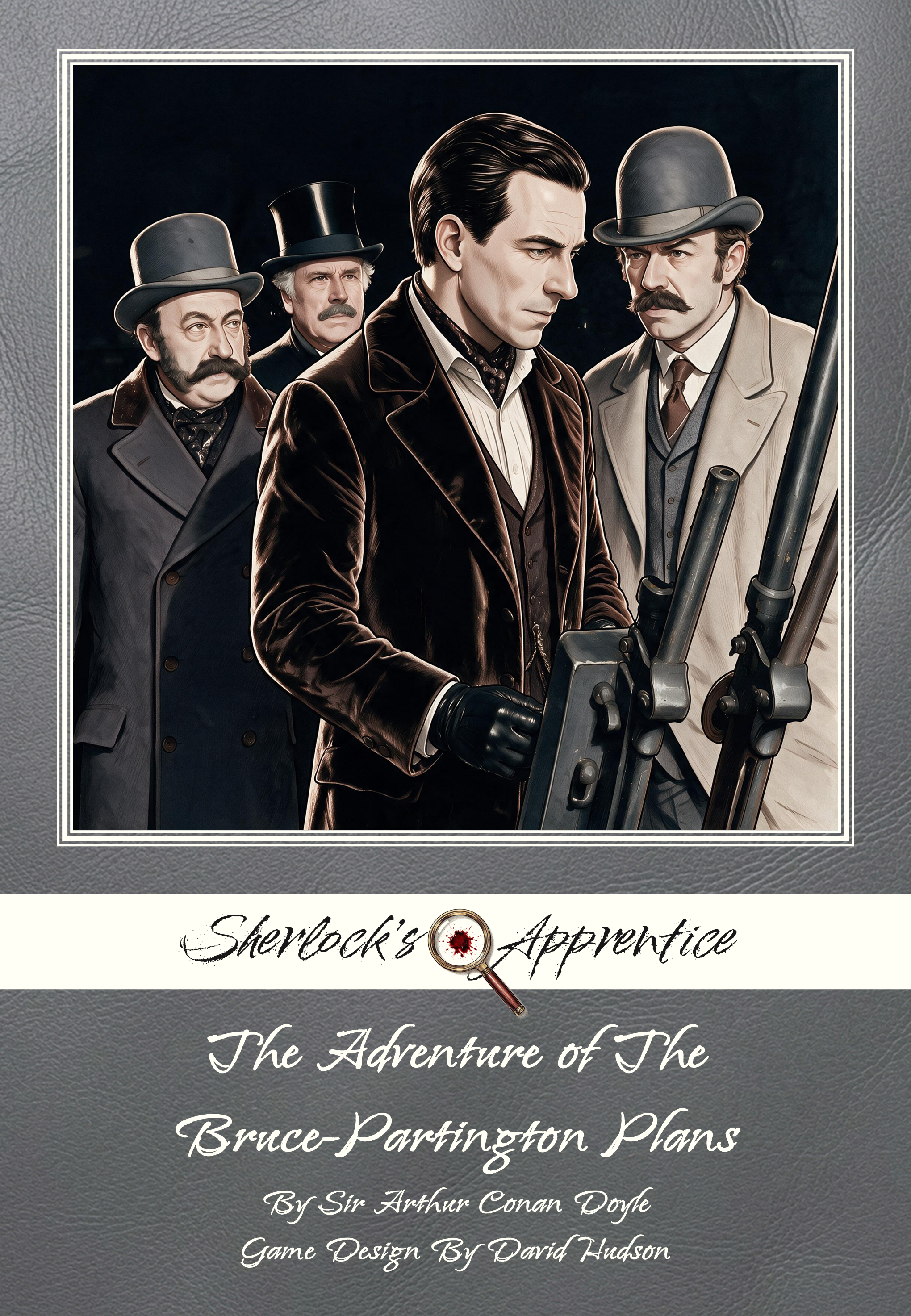
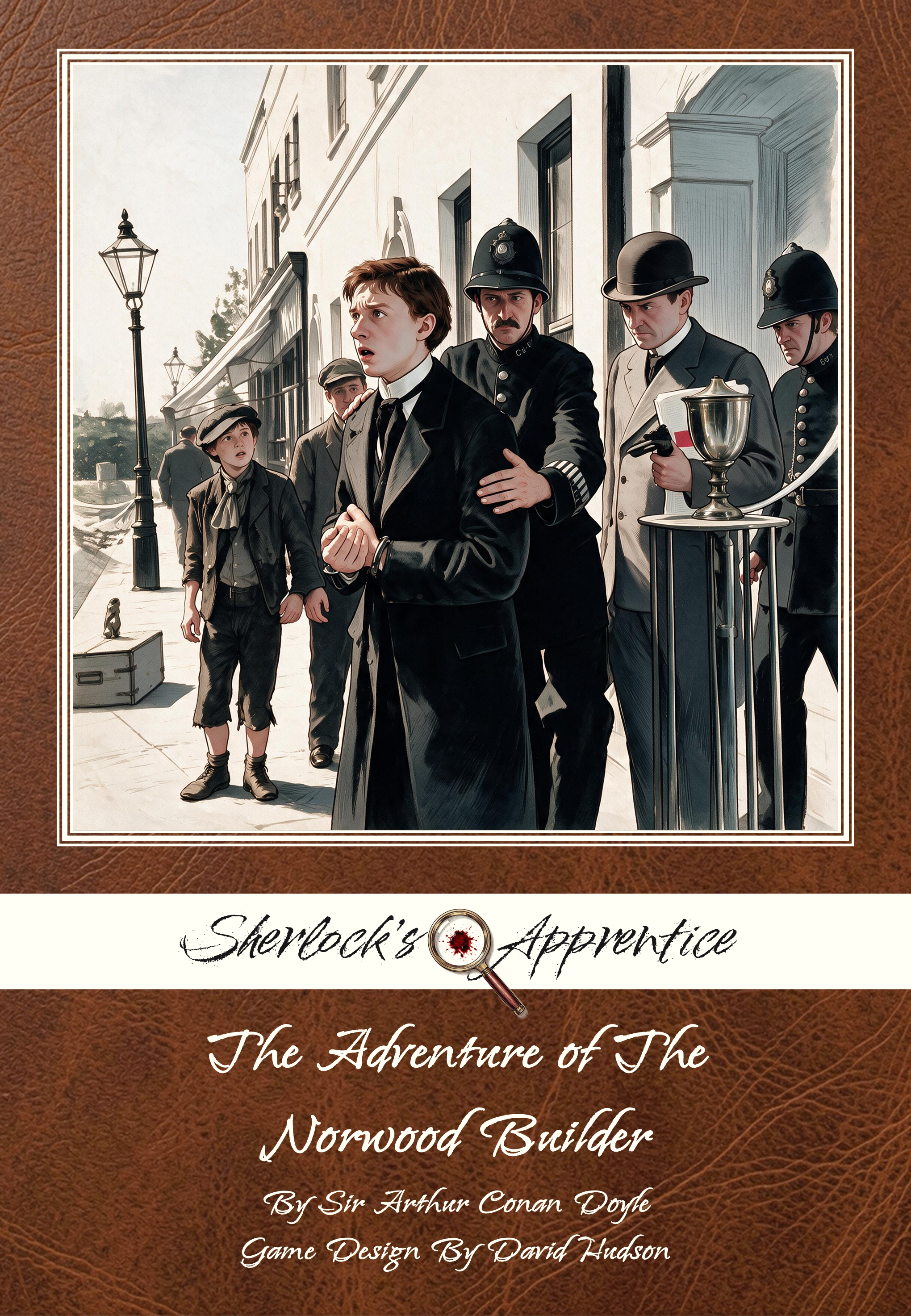
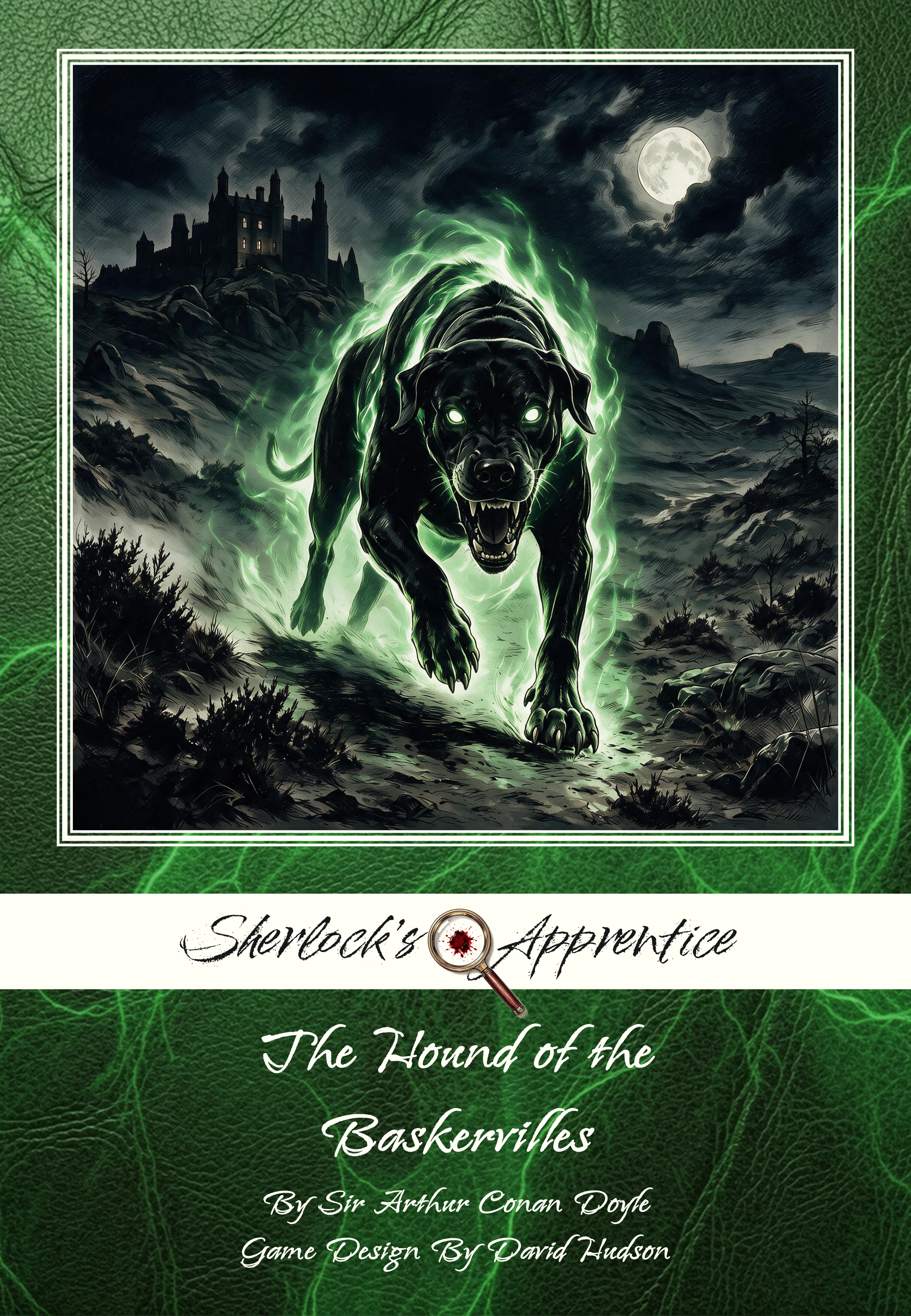
The Business Five: A Scandal in Bohemia · Silver Blaze · The Bruce-Partington Plans · The Norwood Builder · The Hound of the Baskervilles
Optional shared capstone: The Yellow Face, the one case where Holmes is wrong. The humility module.
Schools sessions stand alone. The business track can be run as a campaign, with a line of evidence accumulating across cases toward a series finale, with the elusive Professor Moriarty, a reason to book the room more than once.
Canon Only
Every element is drawn from Doyle's original texts. No screen adaptation, no borrowed version of any character, nothing invented and passed off as canon. If it happens in the room, it can be pointed to on the page.
Why It Matters
Attention is short and a great deal of learning has quietly become passive, something done to a room rather than by it.
It turns passive learners into active thinkers
It builds teamwork, reasoning and the confidence to be questioned
It proves that reasoning is a skill you practise, not a talent you're born with
The habits travel. They work in an exam hall, in a meeting, and in every conversation where somebody asks you ‘how do you know that?’
Delivery Options
We offer:
On-site delivery and facilitation
White-label kits for teachers and trainers
Virtual hosting for remote and distributed teams
Ready to Begin?
Book A Study in Scarlet or request the full 11-story series brochure.
Contact: david@hudsonconsultancyonline.com